Best Cashmere Coats for Winter - Luxury Italian Menswear

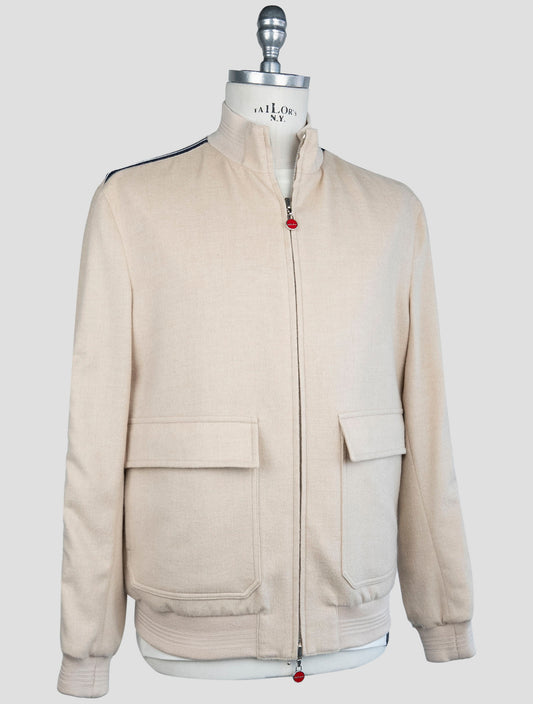
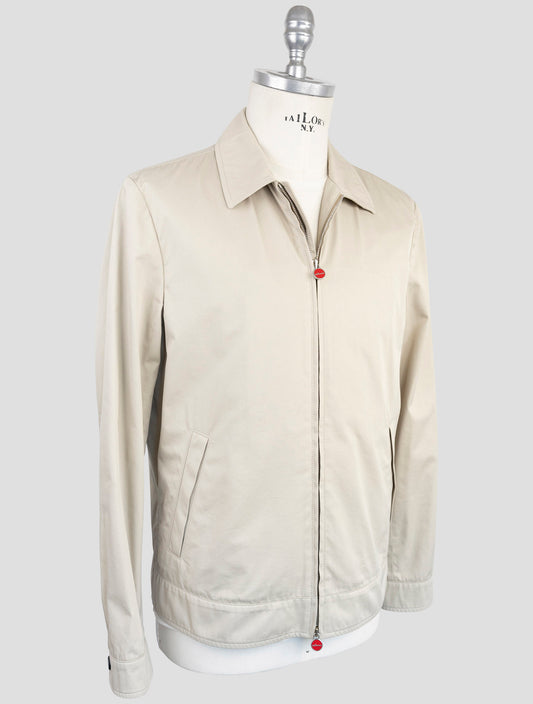
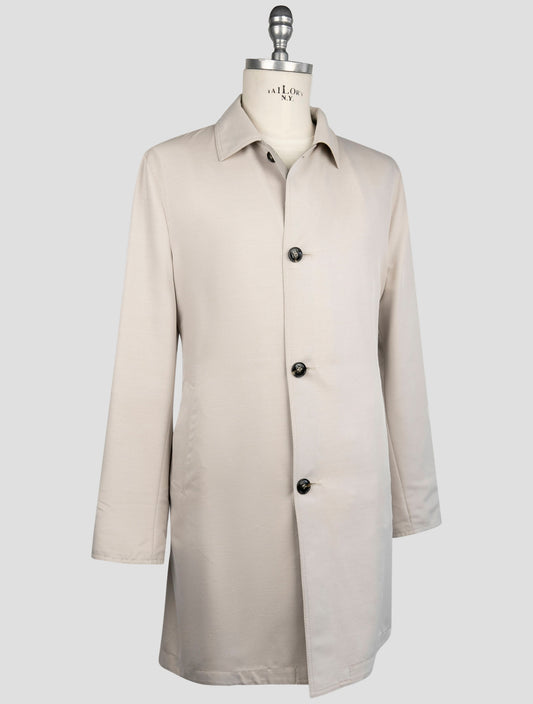
Elevate your winter wardrobe with our curated collection of the finest cashmere coats, featuring exquisite handmade Italian craftsmanship from Kiton, one of the world's most prestigious luxury menswear houses. Each coat in this collection represents the pinnacle of sartorial excellence, meticulously crafted by master artisans in Naples using time-honored Neapolitan tailoring techniques that require up to 25 hours of skilled handwork per garment. Our selection showcases premium cashmere in its purest form, as well as sophisticated blends with silk and polyamide that enhance specific performance characteristics while maintaining the luxurious softness and exceptional warmth that cashmere is renowned for. From classic beige overcoats that embody timeless elegance to innovative reversible designs that offer remarkable versatility, these coats provide the perfect balance of functionality and refinement for the modern gentleman. Whether you're seeking a fully lined coat for structured formality, an unlined option for lighter wear and enhanced breathability, or a cotton blend for transitional weather, our collection offers meticulously crafted solutions for every winter need. Investing in a premium cashmere coat means acquiring a wardrobe essential that will serve you faithfully for decades, improving with age while maintaining its sophisticated appearance and superior comfort.

Key Takeaways

  • Premium cashmere coats provide exceptional warmth while remaining lightweight and breathable for winter comfort
  • Italian handmade craftsmanship ensures superior construction, longevity, and timeless style that transcends seasonal trends
  • Cashmere silk blends offer enhanced drape and elegance, while pure cashmere delivers maximum insulation
  • Reversible and unlined options provide versatility for varying winter temperatures and styling preferences

What should you look for in a cashmere winter coat?

When selecting a cashmere winter coat, prioritize the quality of the cashmere itself—look for fine, long fibers that indicate superior grade material, typically sourced from the undercoat of cashmere goats. Construction quality is paramount: handmade Italian coats feature meticulous stitching, properly set shoulders, and expertly finished seams that ensure durability and perfect drape. Consider the weight and ply of the cashmere; heavier weights (12-16 ounces) provide better insulation for harsh winters, while the coating's finish should be smooth and pill-resistant. Pay attention to design details like functional buttonholes, reinforced stress points, and quality lining (or thoughtful unlined construction for lighter wear). The coat's fit should allow for layering without bulk, with adequate room through the shoulders and chest while maintaining a tailored silhouette. Finally, consider versatility—neutral colors like beige, camel, and navy offer maximum styling options, while features like reversibility can effectively double your wardrobe.

How do you choose the right cashmere coat for winter weather?

  • Assess your climate: Pure cashmere or cashmere-silk blends work for moderate winters (30-50°F), while cashmere-polyamide blends add wind resistance for harsher conditions
  • Consider coat length and coverage: Longer overcoats provide more warmth and formal elegance, while mid-length options offer greater mobility and contemporary styling
  • Evaluate lining options: Fully lined coats offer structure and additional warmth, while unlined versions provide breathability and lighter weight for transitional weather or layering
  • Match construction to usage: Handmade Italian coats with superior craftsmanship justify investment for daily wear, offering decades of service with proper care
  • Think about versatility: Reversible designs and neutral colors maximize outfit combinations, while cashmere-cotton blends offer more casual styling opportunities

Frequently Asked Questions

Is cashmere good for a winter coat?
Cashmere is an excellent choice for winter coats, offering exceptional warmth-to-weight ratio that surpasses most other natural fibers. The fine, crimped fibers of cashmere create tiny air pockets that trap body heat while remaining breathable, preventing overheating and moisture buildup. Cashmere is approximately eight times warmer than sheep's wool while being significantly lighter and softer against the skin. High-quality cashmere coats provide adequate insulation for temperatures ranging from 20°F to 50°F, depending on the weight and construction. The natural fiber also has moisture-wicking properties that help regulate body temperature in varying conditions. While cashmere alone may not suffice for extreme sub-zero temperatures without layering, it excels in most winter climates and offers unmatched comfort and elegance. Additionally, cashmere's durability means a well-maintained coat can last decades, making it a sustainable investment for winter wardrobes.
What brand has the best cashmere?
Kiton stands among the absolute pinnacle of cashmere craftsmanship, renowned for sourcing the finest grade cashmere and employing traditional Neapolitan tailoring techniques passed down through generations. Each Kiton garment is handmade by master artisans in Naples, Italy, requiring up to 25 hours of skilled labor per coat. The brand selects only the longest, finest cashmere fibers (typically 14-15.5 microns in diameter) from select regions, ensuring exceptional softness, durability, and minimal pilling. Other prestigious cashmere brands include Loro Piana, which controls its own cashmere supply chain from Mongolian herders to finished garments; Brunello Cucinelli, known for ethical sourcing and refined Italian styling; and Ermenegildo Zegna, which offers innovative cashmere blends and contemporary designs. However, Kiton's commitment to entirely hand-sewn construction, with no fusing or machine stitching in critical areas, sets it apart for discerning customers seeking the absolute best in cashmere outerwear.
What is the warmest winter coat on the market?
The warmest winter coats typically combine multiple insulation technologies rather than relying on a single material. For extreme cold (below 0°F), expedition-grade parkas with 800-900 fill power goose down, like those from Canada Goose or Moncler, provide maximum insulation. However, for sophisticated urban winter wear in more typical conditions (0-40°F), premium cashmere coats—particularly heavier weight pure cashmere or cashmere-polyamide blends—offer exceptional warmth while maintaining elegance and breathability. Cashmere's natural crimp creates superior insulation through air-trapping, and when properly constructed with adequate weight (12+ ounces), cashmere coats rival technical outerwear for warmth in most winter scenarios. The advantage of luxury cashmere is its versatility: it transitions seamlessly from outdoor wear to indoor environments without the bulk of synthetic insulation, regulates temperature naturally, and provides decades of service. For the best combination of warmth, style, and practicality in professional and social settings, handmade Italian cashmere coats represent the optimal choice.
How good is cashmere for winter?
Cashmere performs exceptionally well for winter wear, offering several distinct advantages over other materials. Its fine fibers (typically 14-19 microns in diameter) are much finer than regular wool (25-35 microns), creating a denser fabric with superior insulation properties while remaining lightweight and comfortable. Cashmere naturally wicks moisture away from the body, preventing the dampness that can occur with synthetic materials, while its breathability prevents overheating when moving between outdoor and heated indoor environments. The fiber's natural elasticity helps garments retain their shape over time, and high-quality cashmere becomes softer with wear rather than deteriorating. Cashmere also provides natural odor resistance and doesn't require frequent cleaning, which extends garment life. From a practical standpoint, cashmere coats work beautifully for winter temperatures between 20°F and 50°F, and can be layered for colder conditions. The material's elegant drape and luxurious appearance make it suitable for professional and formal occasions where technical outerwear would be inappropriate, making cashmere an ideal choice for the discerning winter wardrobe.
How do you care for a cashmere winter coat?
Proper care ensures your cashmere coat remains beautiful for decades. Always hang your coat on a wide, padded hanger to maintain shoulder shape and allow it to air out after wearing—cashmere's natural breathability means it rarely needs cleaning if aired properly. Brush the coat gently with a soft garment brush after each wear to remove surface dust and prevent dirt from embedding in fibers. For spot cleaning, use a damp cloth with cool water and gently blot rather than rub. Professional dry cleaning should be limited to once or twice per season maximum, as over-cleaning can strip natural oils and damage fibers; choose a cleaner experienced with luxury cashmere garments. Store your coat in a breathable garment bag (never plastic) during off-season, with cedar blocks or lavender sachets to deter moths—cashmere's natural protein content makes it attractive to pests. If pills develop, remove them gently with a cashmere comb, not a razor. Avoid wearing the same coat consecutive days; allowing 24-48 hours between wears lets fibers recover their shape and any moisture to evaporate completely.

Sources

  • The 14 Best Cashmere Coats That Are Timeless and Pure Luxury — www.whowhatwear.com
  • The Best Women’s Wool Coats — www.nytimes.com
  • How to find the best cashmere coats for you? — bellefareshop.com
  • — www.reddit.com
  • My Hunt for a Not-Too-Expensive Wool Overcoat | The Strategist — nymag.com