


In our project at the Filangieri Civic Museum in Naples, we explore how contemporary Made in Italy tailoring enters a historic palazzo and begins a quiet, powerful dialogue with art, architecture, and time itself. Each outfit does not simply “appear” in the museum, it interacts with the rooms, the light, the masterpieces, and turns the museum into a stage for living style.
Key Takeaways
| Question | Answer |
|---|---|
| What is style at the Filangieri Museum? | A curated shooting inside the Filangieri Civic Museum in Naples, where each outfit is conceived as an “object” that speaks with artworks, architecture, and Neapolitan history. |
| How does contemporary tailoring fit into a historic museum? | Through proportion, texture, and color. For example, a pristine Kiton white cotton shirt reads almost architectural when framed by marble staircases and carved balustrades. |
| Which fabrics work best in such a setting? | Natural, noble fibers that respond well to light and shadow, like the green merino wool of the Premium Green Merino Wool Crewneck Sweater 14 Micron or the cashmere blends in Kiton knitwear. |
| Can casual pieces work in a museum environment? | Yes, if they carry the same rigor of construction. A refined tee like the Green Cotton Cashmere T‑Shirt feels appropriate when its lines and shades echo frescoes and ceramics. |
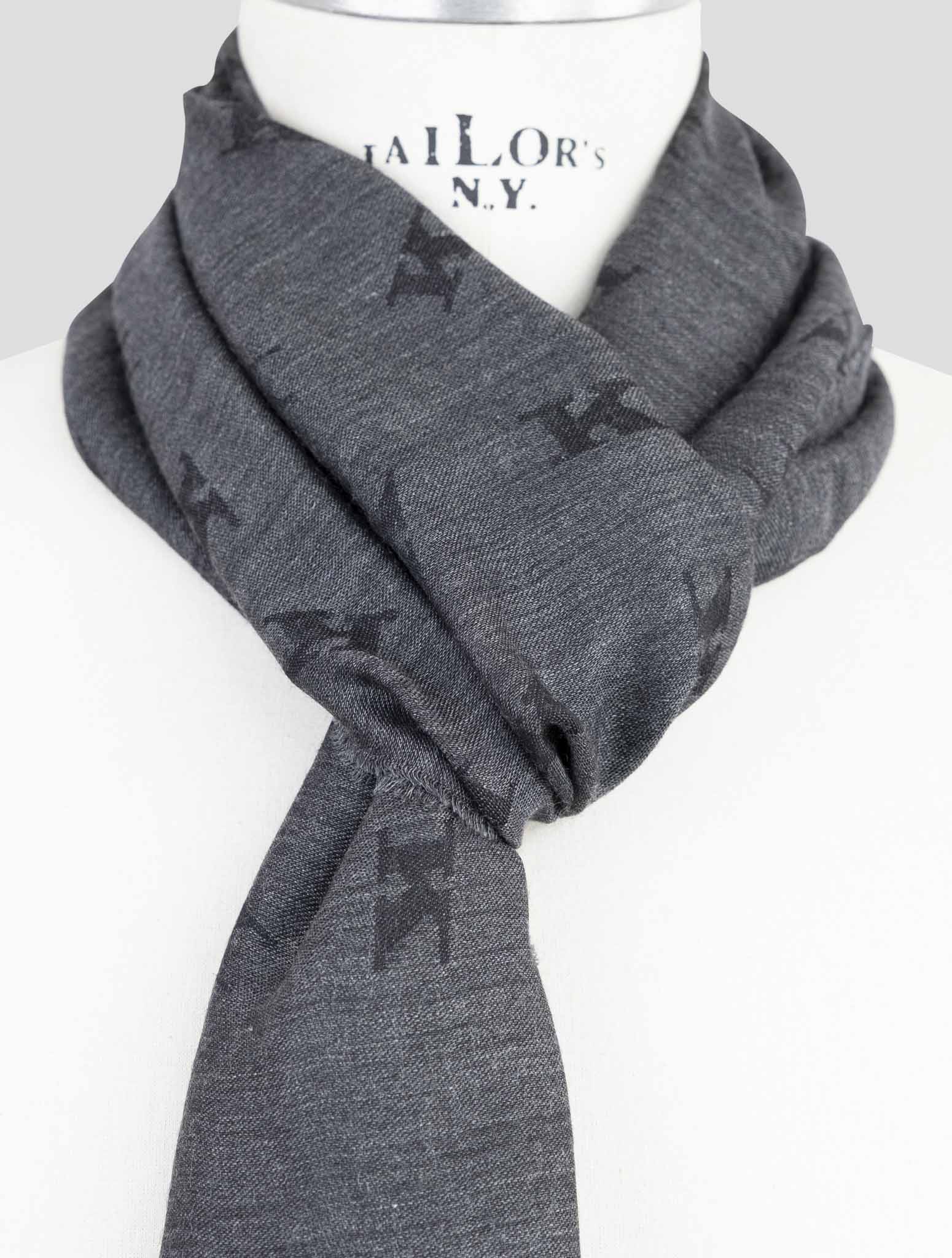
| What role do accessories play in the shooting? | Accessories act as subtle “bridges” between era and outfit. A gray wool silk scarf such as the Italian Luxury Winter Scarf 45x180cm can mirror stone, stucco, and chiaroscuro. |
| Where can I explore similar Made in Italy pieces? | Our complete, carefully curated portfolio of Kiton tailoring and knitwear is available in the Mr Porkamo full collection, with a focus on enduring style rather than seasonality. |
| Is this approach only for editorial shootings? | No. The same principles guide personal wardrobes: choosing garments that can “hold their own” in any setting, from a baroque gallery to a boardroom. |
1. Why a Museum? The Filangieri as a Natural Home for Tailoring
The Filangieri Civic Museum is a curated world of Neapolitan memory, with period rooms, portraits, armors, and rare objects collected by Gaetano Filangieri. For us, it is also a stage where garments can measure themselves against centuries of craftsmanship and beauty.
We do not decorate the museum, we let tailoring converse with its frescoes, vitrines, and marble floors.
Styling concept: garments as museum pieces
A shirt, a coat, or a pair of pants attains a different dignity once you see it under high ceilings and next to historic canvases. Details that might be invisible on the street, like a hand-stitched buttonhole or a subtle mélange in the yarn, become visible and almost museal.
Our approach respects the Filangieri as a cultural institution, while also insisting that true Made in Italy tailoring belongs in such company. In this sense, the museum is not a backdrop, it is a partner in the narrative.

2. The White Cashmere Sweater: Light Against Marble
One of the most striking dialogues at Filangieri is between pure white knitwear and the museum’s stone and stucco. A piece like the Kiton White Cashmere Sweater Half Neck reads like a beam of controlled light against the patina of the interiors.
In a room filled with portraits and carved wood, this sweater becomes almost architectural. Its simplicity, the half‑neck line, and the noble cashmere fiber allow the eye to rest, the way a blank wall can calm a richly decorated space.
How we style it in the museum
We pair white cashmere with muted tailoring or even dark denim to keep the focus on proportion and texture. Against marble floors and stone columns, the knit’s softness is amplified, suggesting a modern, wearable counterpart to sculpted drapery.
This is where Neapolitan sartoria shows its quiet strength: impeccable tension in the yarn, accurate ribbing, and a fit that holds its shape even in movement through the grand staircases and galleries. The museum’s natural and artificial lights highlight every nuance of the knit.


3. V‑Neck Dialogues: Brown and White Cashmere Silk in Painted Rooms
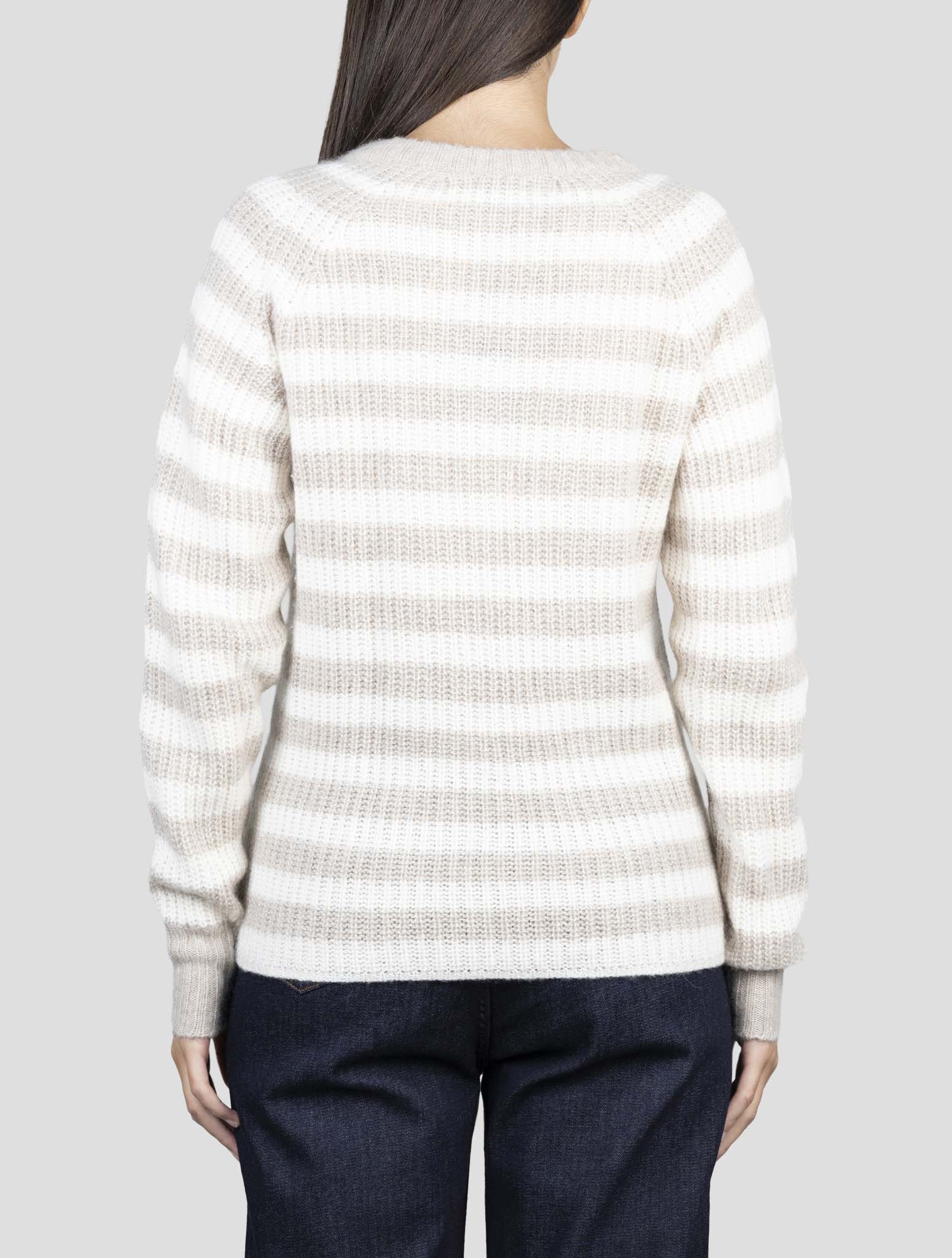
A v‑neck sweater introduces another layer of conversation at Filangieri: it frames the shirt underneath and the neck, so it frames the person within the museum. The Kiton Brown White Cashmere Silk Sweater V‑Neck has a refined pattern that echoes parquet floors and wooden showcases.
Cashmere and silk together pick up light from gilded frames and glass cabinets, creating a subtle sheen that feels appropriate among oil paintings and polished weapons. Brown and white tones resonate with leather bindings of historic volumes and the warm hues of Neapolitan furniture.
Layering with shirts and tailored trousers
In the shooting we often place this v‑neck over a crisp poplin, leaving enough collar visible to converse with the museum’s vertical lines and pilasters. The depth of the V elongates the torso, a useful effect when framed by tall doors and high cornices.
Below, we prefer compact, structured fabrics that hold their crease. The overall look feels like a contemporary “visitor” that fully respects and mirrors the room’s palette without disappearing into it.

Five key outfit‑space interactions at the Filangieri Museum show how contemporary fashion meets history and art, turning the museum into a stage. Each look interacts with the space to redefine the gallery as performance.
4. Green Cotton Pants and the Museum Garden Palette
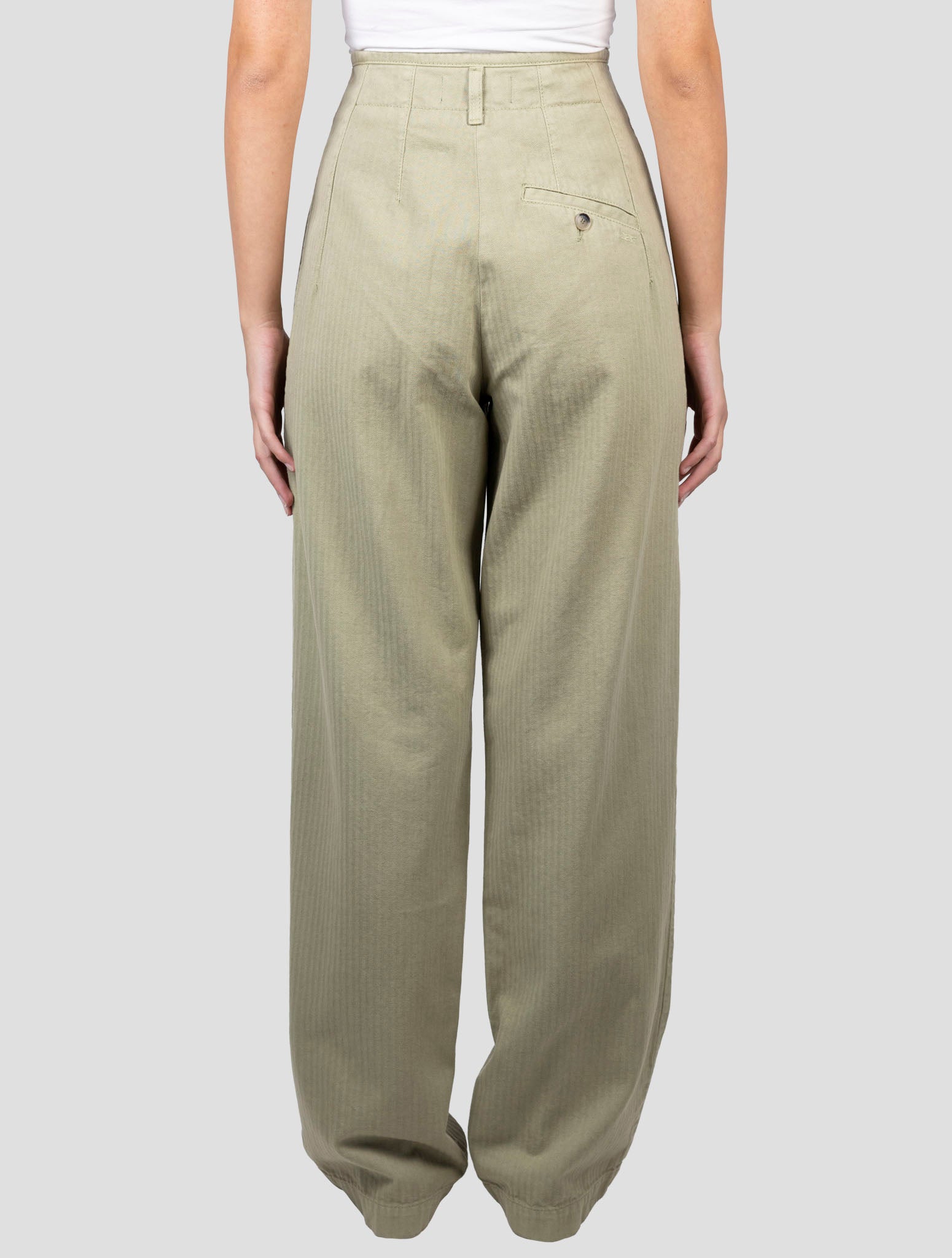
Filangieri is not only interiors, it also opens to courtyards and glimpses of the city. We wanted one of our key trousers to carry that sense of living color inside, which is why we chose the Kiton Green Cotton Pants.
Their controlled green recalls the oxidized bronze of statues and the faded pigments of old tapestries. In the shooting, when the model crosses from a dim gallery into a sunlit corridor, the cotton fabric shifts tone, much like the museum’s own surfaces.
Structure, comfort, and movement
The cut is tailored enough to belong in a historic palazzo, yet relaxed enough for contemporary life. The seams and pockets create clean lines that echo the rhythms of the floor tiles and door frames.
For high‑net‑worth clients used to international travel, this kind of trouser is fundamental: easy, breathable cotton that still reads as serious in any context. In Filangieri’s rooms, it shows how casual pieces can maintain dignity next to paintings and porcelain.

5. White and Blue Shirts: Contemporary Portraits Among Historic Portraits
Shirts are the natural bridge between the intimacy of the body and the formality of a museum setting. In Filangieri’s portrait galleries, a well‑cut shirt almost becomes a modern painted bust.
Our reference point is a piece like the Kiton White Cotton Shirt, with its clean line and fine cotton. When photographed near gilded frames and carved consoles, the shirt’s surface reflects light similarly to primed canvas.
Shirt as architectural element
Collars, cuffs, and plackets repeat the verticals and horizontals of the building itself. A white or pale blue shirt is not neutral in this context, it is a deliberate, precise choice that lets tailoring stand up to architecture.
Clients who appreciate subtlety will recognize the consistency between a hand‑finished buttonhole and a carved wooden moulding. Both speak of time, attention, and a refusal to compromise on detail.


6. Overcoats in the Loggia: Blue PA Silk Wool as Moving Architecture
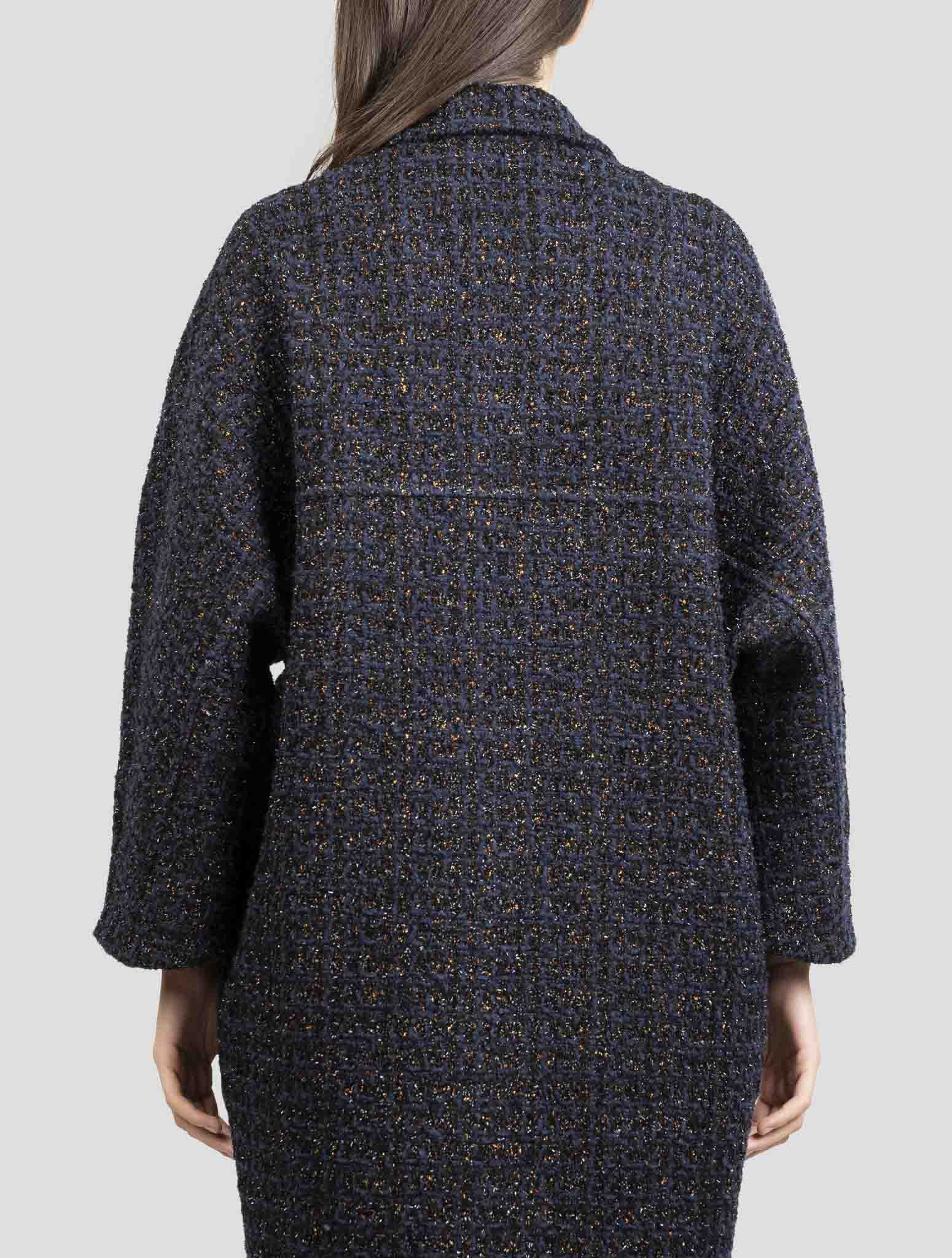
Few garments respond to a grand staircase or a museum loggia like a tailored overcoat. The Kiton Blue PA Silk Wool Overcoat brings length and fluidity that work directly with Filangieri’s vertical volumes.
Its blue shade plays beautifully against stone, turning each step on the staircase into a sequence of still frames. The silk and wool blend captures light in motion, much like the reflections on polished vitrines.
Outerwear as statement within heritage spaces
When our model crosses a doorway wearing this coat, the silhouette reads as a contemporary echo of the capes and military coats you see in 18th and 19th‑century portraits. There is continuity, not costume.
For clients, this is the essence of serious outerwear: a piece that belongs in a museum corridor as naturally as on a city street in New York or Munich. The coat acts as a portable piece of architecture, defining space around the wearer wherever he goes.

7. Blue Tailored Pants: Cashmere, Silk, Cotton and the Museum Floor
At floor level, tailoring interacts directly with Filangieri’s tiles and parquet. The Kiton Blue Cashmere Silk Cotton PA Pants are designed to stand comfortably against this visual complexity.
The fiber blend provides softness and drape, while maintaining sharp lines. In camera, every step creates a clean break at the shoe, echoing the geometric patterns of the museum’s flooring.
Why fabric composition matters in this setting
Cashmere and silk add depth to the blue, avoiding the flatness that pure synthetic fabrics can have under museum lighting. Cotton and PA add resilience and shape, important as the model moves repeatedly for different takes.
For a discerning wardrobe, such pants are a quiet luxury: they do not shout, but in a place like Filangieri their quality becomes self‑evident. The result is a pair of trousers that feel as appropriate in a gallery as in a private club.


8. Scarves as Silent Narrators: Gray Wool Silk in Stone Galleries
Accessories in a museum are like captions: concise, but essential for meaning. A gray scarf such as the Gray Wool Silk Scarf 70% Wool picks up the tones of stone, steel, and shadow.
At USD 286.00, it represents a considered choice rather than an impulse. In our shooting, we let the scarf hang naturally or knot it once, letting its 70% wool and silk blend fall in soft planes that echo draped fabrics in historic paintings.
Close‑ups and the language of texture
When we move the camera closer, the weave of the scarf becomes as interesting as the craquelure on an old canvas. It is a reminder that true luxury often resides in small, tactile experiences.
Clients attuned to detail will see this as a functional piece for winter, but also as a long‑term companion that integrates quietly into a sophisticated wardrobe. In Filangieri’s galleries, the scarf completes the story between body, garment, and space.

9. The KNT White Coat: Minimalism in a Baroque Context
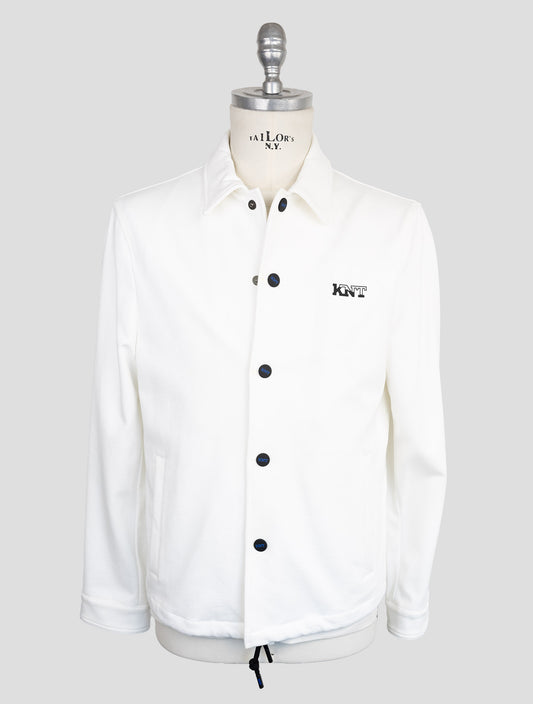
In some Filangieri rooms, exuberant decoration covers almost every surface. Here, we like to introduce pieces with a minimal, almost monastic clarity, like the Kiton KNT White Viscose PA EA Coat.
At USD 718.00, this coat sits at the intersection of tailoring and advanced fabric. Its pure white and clean shape offer a visual pause amid carvings, frames, and patterned floors.
Contemporary line in a historic narrative
In the shooting, we sometimes leave the coat open to show a knit or shirt underneath, sometimes we close it completely to turn it into a single sculptural block of white. Both approaches hold their own against rich backdrops without competing aggressively.
For an international client base, this type of coat is versatile: it belongs in Naples, in Berlin, or in Miami, always carrying a trace of Neapolitan precision in its cut. Placed inside the Filangieri, it highlights how modern minimalism and historical abundance can coexist.

10. Color Accents: Burgundy and Beige Shirts as Curatorial Choices
Not every museum outfit should be monochrome. Strategic color accents, like a Burgundy Cotton Shirt or a Beige Cotton Dress Shirt, can echo specific artworks or tapestries.
The burgundy regular‑fit shirt, at USD 260.00, pairs beautifully with dark wood panelling and red details in paintings. The beige shirt, at USD 245.00, interacts softly with stone, stucco, and parchment‑colored walls.
From editorial styling to personal wardrobe
In this project we treat these shirts as curatorial elements, deciding in which room each color belongs. Clients can think similarly when dressing for a particular building, event, or city.
Color, in this context, is not loudness, it is alignment. A burgundy shirt may be right for an evening concert in a historic hall, while beige might be ideal for a day of meetings in an old European capital.


Conclusion
Our shoot at the Filangieri Civic Museum is our way of showing that serious tailoring does not live apart from culture, it participates in it. White cashmere, blue coats, green cotton pants, and gray scarves all find their voice when placed among paintings, sculptures, and historic interiors.
For us, each garment is an “oggetto” that carries Neapolitan and Italian heritage forward. When you select such pieces for your own wardrobe, you are not only choosing what to wear, you are deciding how you wish to appear in the great museum of daily life, anywhere in the world.